
Pax Silica and the Price of Artificial Peace
The internet—or perhaps just Filipinos on the internet—has recently been raving about our newest sociopolitical issue, ironically named Pax Silica. The name is loosely rendered as “Silicon Peace,” with pax meaning peace or stability in Latin and silica gesturing toward the material from which silicon is produced. The initiative first emerged publicly in December 2025, while the Philippines formally joined it in April 2026.
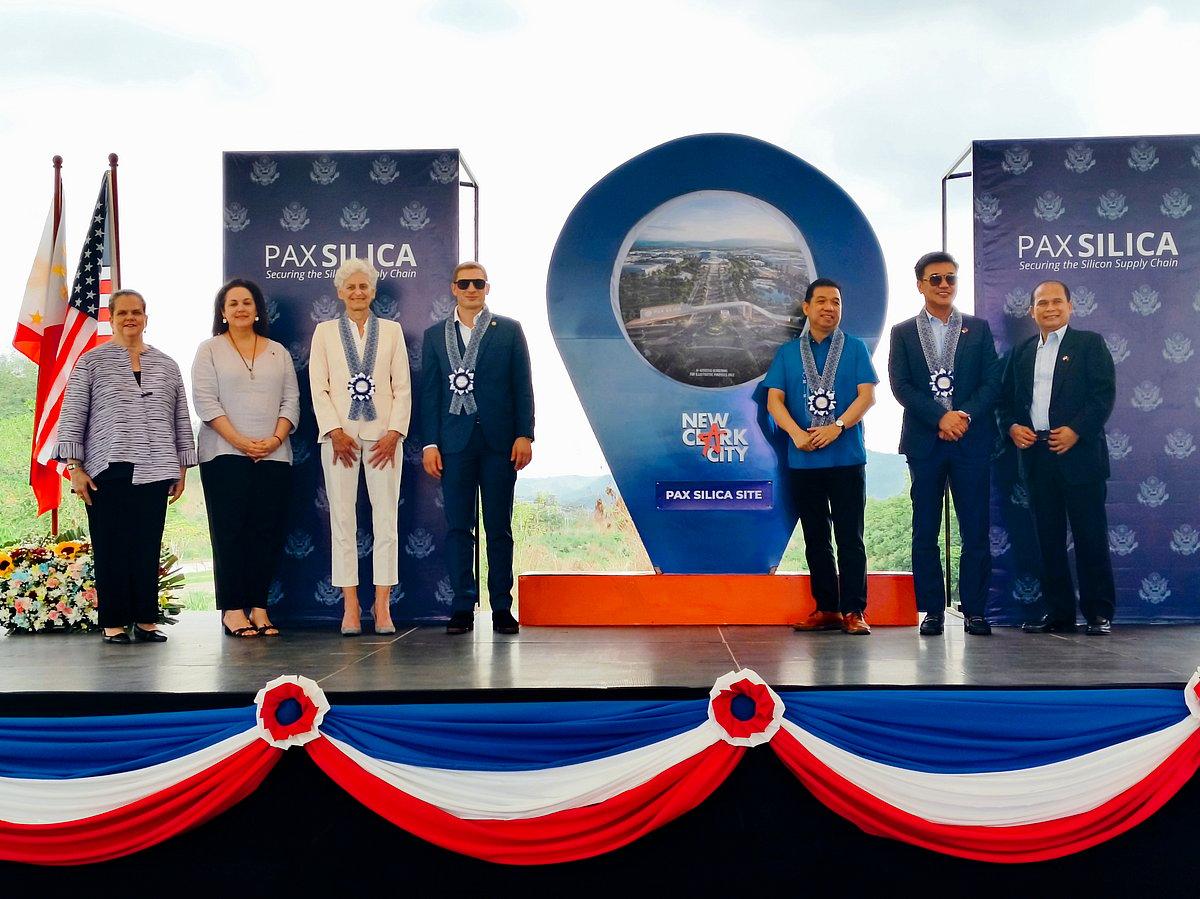
Perhaps one of the first things I have to enlighten you about is how this project is clearly a strategic play to control the global supply chain of technology, information technology, and artificial intelligence. China, as we all know, is currently one of the globe’s leading powerhouses in advanced manufacturing, and Pax Silica aims to “tip the scale,” so to speak, eventually envisioning the United States at the forefront of technology.
The Trusted-Partner Strategy
How? Well, the strategy has hardly changed. Just like a hundred or so years ago, part of the play involves building trust and making promises.
Pax Silica was built on a stark premise: the nations that control AI supply chains and the minerals they require will define global security for the next century. Jacob Helberg, the U.S. Under Secretary of State for Economic Affairs and one of the project’s chief architects, helped design it around a framework of “trusted partners”—a selected cohort intended to build resilience among nations while avoiding coercive dependencies on adversarial supply chains.
That is, of course, a thinly veiled reference to China.
The Philippine Bet
Where does the Philippines fit into this framework?
For the Philippines, the draw is undeniable. We have an estimated $1 trillion in untapped mineral wealth. By aligning ourselves with countries such as Japan, South Korea, Australia, and more than two dozen other participants, the Philippines is positioning itself not merely as an exporter of these resources, but as a valuable processor and manufacturer within the project.
Although, that one-trillion-dollar number deserves an asterisk large enough to cover Tarlac. It is an estimate of the value of minerals supposedly sitting beneath Philippine soil—not a trillion dollars resting inside some national vault, not all of it proven to be economically recoverable, and certainly not all of it guaranteed to land in Filipino pockets. Ore quality, extraction costs, environmental restrictions, processing capacity, indigenous rights, and whoever owns the machinery between the mine and the final microchip will determine how much of that underground “wealth” becomes wealth at all.
Part of the geopolitical equation is the 4,000-acre bet we are considering placing in New Clark City, Tarlac. The proposed Economic Security Zone within the Luzon Economic Corridor is envisioned as the first “Golden Node” and AI-native industrial acceleration hub established under Pax Silica.
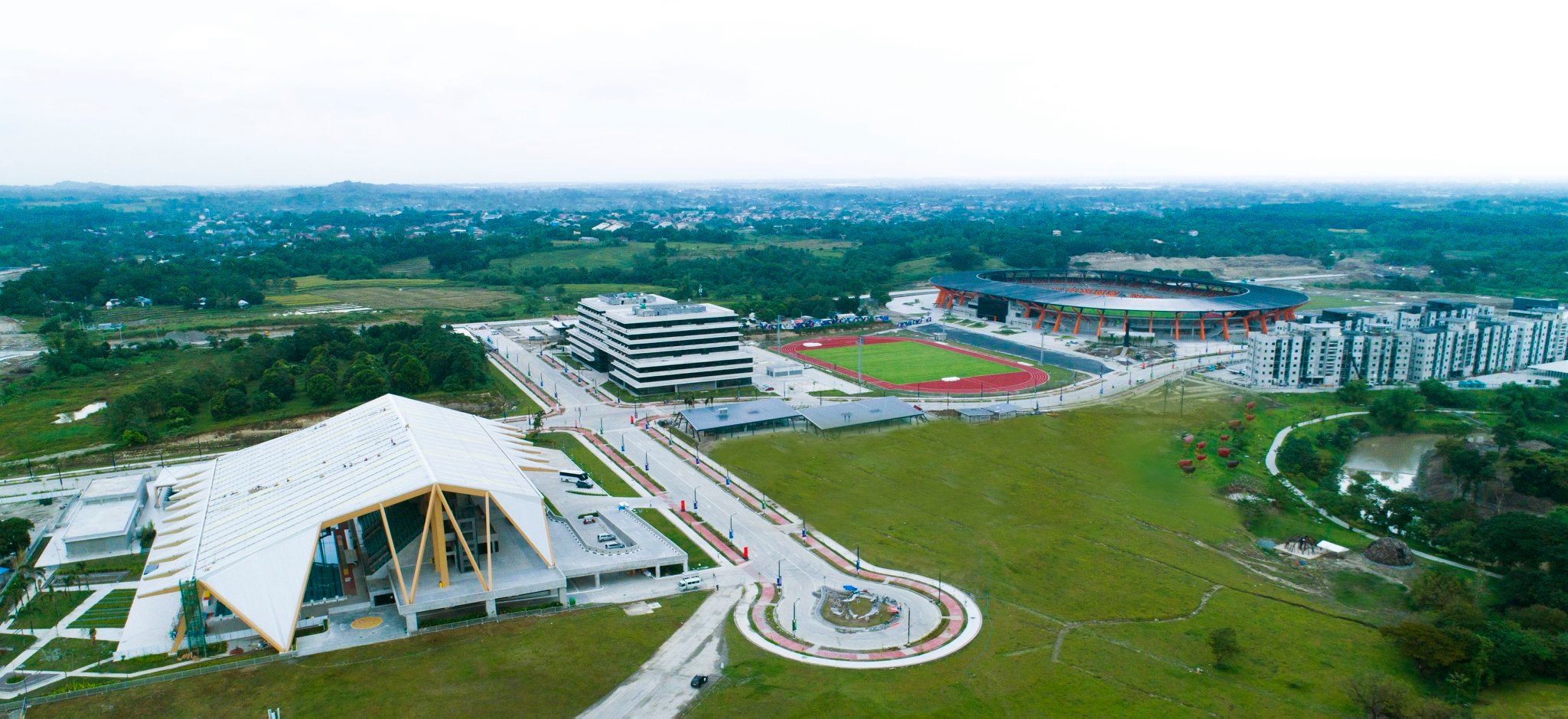
The government projects that the hub could attract roughly $40 billion to $70 billion in investments and directly create between 130,000 and 190,000 high-skilled jobs once fully developed. In his July 2026 State of the Nation Address, PBBM championed Pax Silica, stating that it would “accelerate our industrial competitiveness and revitalize our economy.”
Now, before we allow those numbers to perform CPR on the national mood, it is worth remembering that they are projections—not money already wired into the Philippines or employment contracts waiting to be signed. Contract negotiations are still underway, formal planning is expected to continue into 2027, and construction is not projected to begin until 2028. The full development itself may take ten to fifteen years.
In other words, we have been shown the brochure before the foundations, the contracts, or even the final rulebook.
The declaration we signed is also non-binding. Although, the land, utilities, tax incentives, lease arrangements, infrastructure, and environmental consequences that may eventually surround it would be painfully real.
The Question of Autonomy
So, what are people so vexed about?
The tension comes from the risk of losing autonomy amid all these geopolitical interests. The central question is this: Is the Philippines securing its economic future, or compromising its autonomy?
Defense Secretary Gilberto Teodoro Jr. has defended Pax Silica as a resilience-focused manufacturing and high-technology initiative, pushing back against critics who view it as a military-driven framework. The Bases Conversion and Development Authority has also clarified that the New Clark City hub will not be exclusive to American firms, maintaining what it describes as an open-market position.
To be fair, the government insists Pax Silica is not meant to become one enormous data-center farm filled with glowing servers humming menacingly beneath the Tarlac sun. BCDA says its primary targets are manufacturing firms involved in semiconductors, electronics, mineral processing, research, and other high-value industries. Among the companies that have expressed interest, officials claim only one or two are data-center operators.
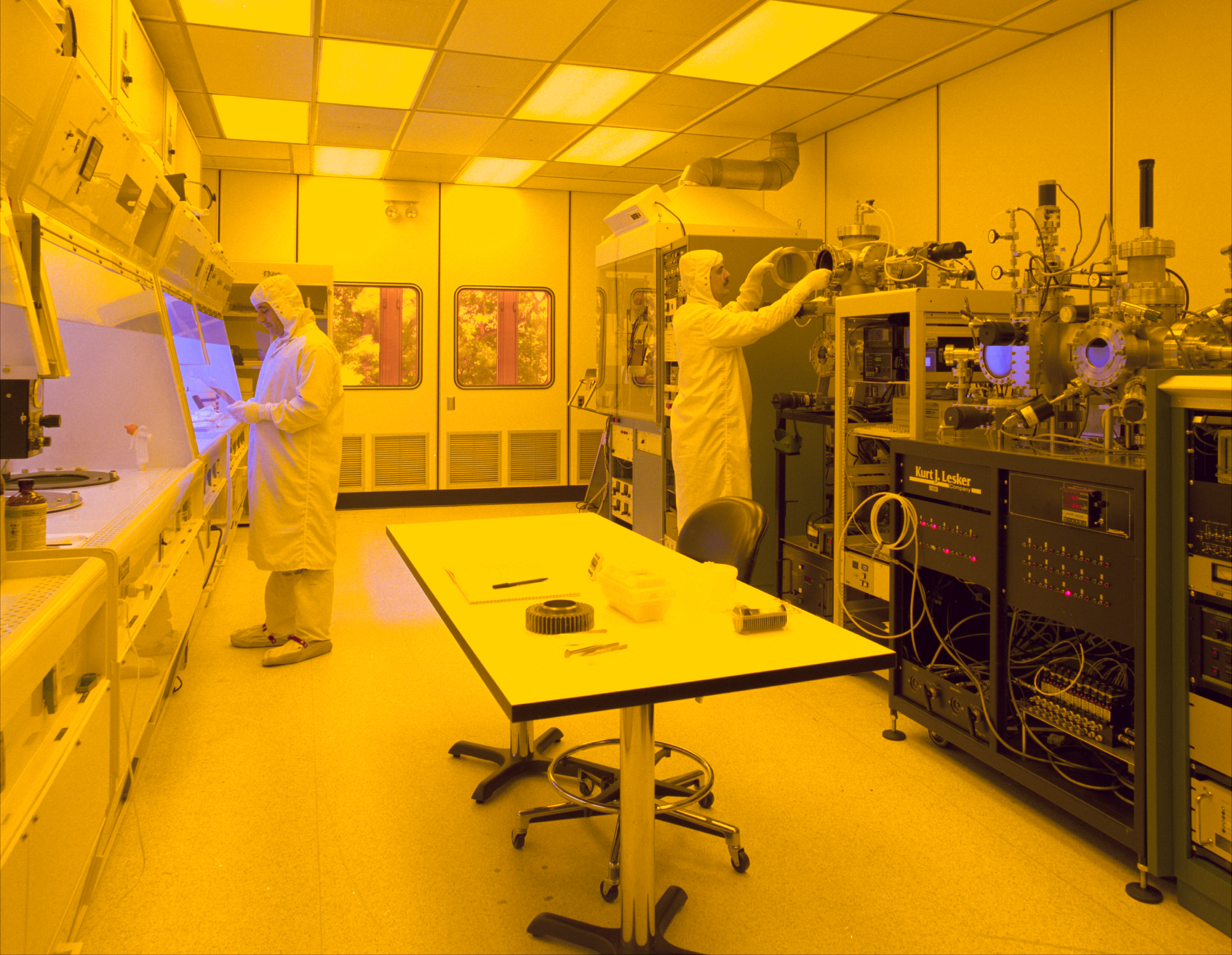
That distinction matters. A semiconductor fabrication plant and a data center are not the same thing, even when both are connected to AI and both are painfully resource-hungry. It does not make concerns over water and electricity disappear—it only means we should be precise about which machine is draining which resource before blaming every industrial pipe on a server rack.
In contrast, critics such as analyst Dan Steinbock argue that by integrating so deeply into a U.S. supply-chain strategy that critics read as expressly designed to isolate China, the Philippines becomes a “risk multiplier.”
In a region where economic relationships and territorial disputes are intensely intertwined, becoming a center for U.S.-aligned AI infrastructure inherently heightens the country’s geopolitical exposure.
A Target in a Future Conflict
China remains one of the Philippines’ most consequential trading partners. It was the country’s largest source of imported goods in 2025 and remains a major market for Philippine exports.
By hosting a U.S.-architected supply chain intended to bypass and economically constrain Chinese technological advancement, we potentially expose ourselves to severe retaliation.
Speculatively, should a hot conflict break out over Taiwan or the South China Sea, a massive U.S.-aligned semiconductor and AI hub in Central Luzon could become a strategic military target.
Critics argue that the Philippines is trading its geopolitical autonomy for a seat at a table where we do not even hold the cards—the United States does.
Water, Agriculture, and Food Security
Another concern is that the hub is planned for Central Luzon, the country’s agricultural heartland.
Semiconductor fabrication plants are painfully thirsty. A large fabrication facility can consume around five million gallons of water per day, much of it purified to extreme standards and used to rinse silicon wafers throughout the manufacturing process.
BCDA says it intends to avoid extracting groundwater by developing a surface-water harvesting and impounding system. Its proposed initial facility is designed to provide up to 120 million liters daily, exceeding the project’s estimated requirement of 65 million to 90 million liters.
On paper, that sounds reassuring. On paper, many things do.
Environmental and agricultural groups argue that promises involving new impounding facilities remain inadequate without public scientific studies, independent water audits, cumulative-impact assessments, and transparent guarantees that nearby communities and farms will remain the priority during periods of drought.
They worry that once billions of dollars, foreign investors, construction deadlines, and production quotas enter the equation, a rice field and a fishing community will suddenly become much easier to negotiate away.
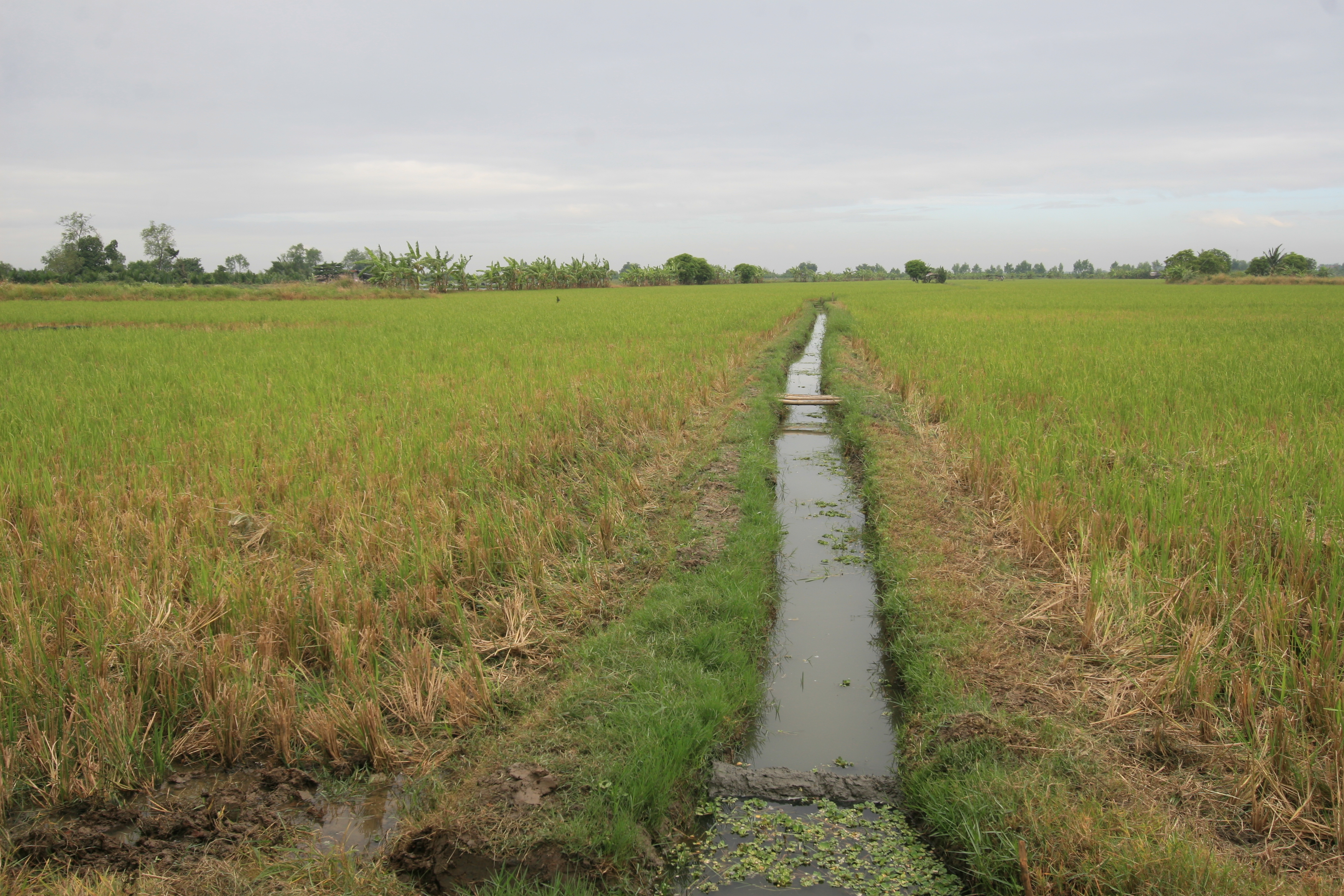
Local farmers, farm workers, scientists, and environmental organizations have challenged the proposed development, arguing that high-technology industrialization is being prioritized over food security, particularly during El Niño periods when water stress is already severe.
Energy and Infrastructure
The Philippines already pays some of the highest residential electricity rates in Southeast Asia, while its power grids have continued to fall under yellow and red alerts—thin operating reserves at best, rotating outages at worst.
The baseload power required to operate a 4,000-acre AI and semiconductor hub would be astronomical. Its energy demands could practically cannibalize the existing grid.
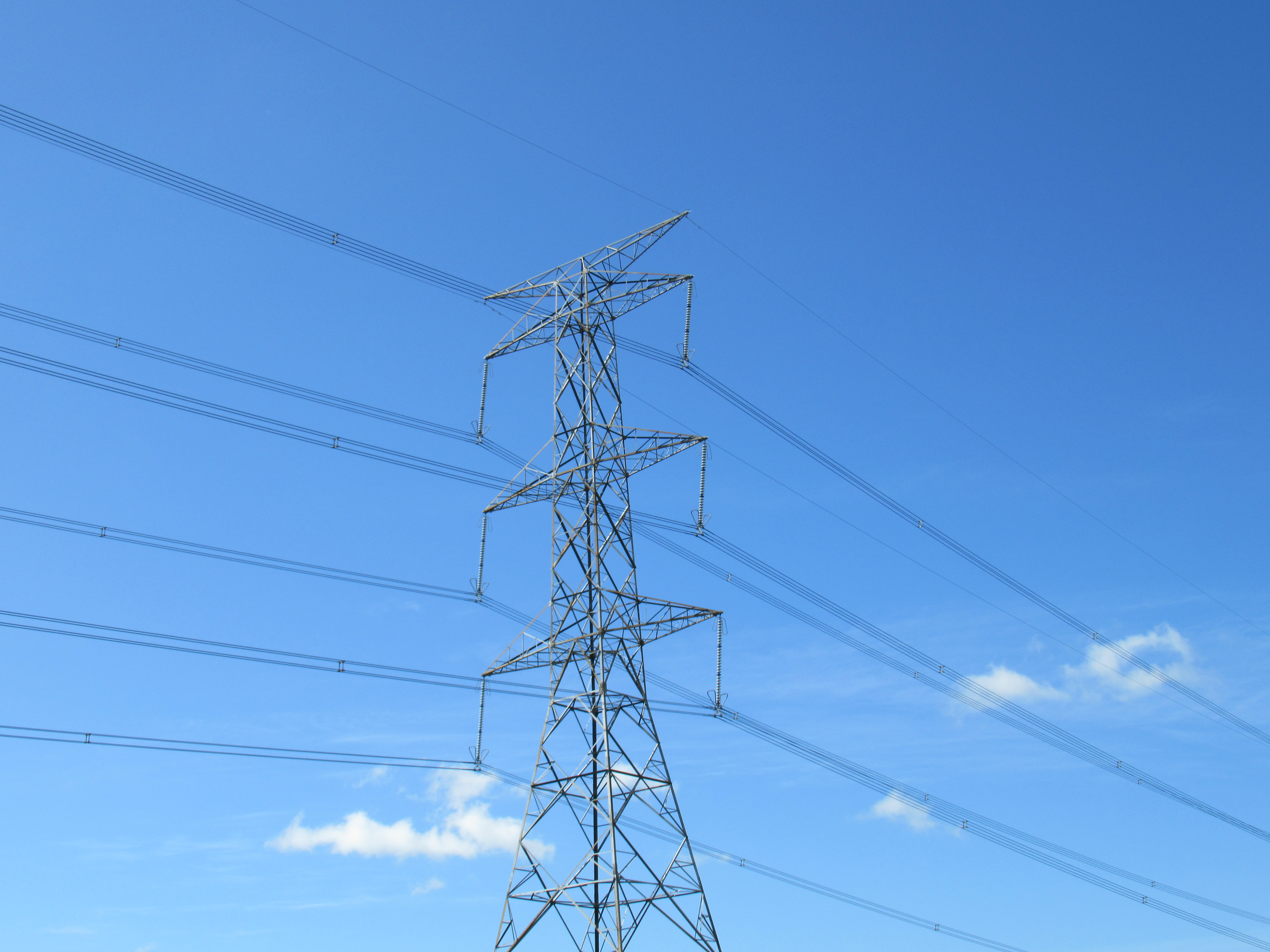
Unless the country’s energy supply scales alongside the project, everyday consumers could bear the consequences through localized brownouts and higher utility bills. Investors will presumably receive guarantees of stable electricity because no semiconductor manufacturer will tolerate having a multimillion-dollar wafer ruined by a badly timed blackout. Whether ordinary households receive the same urgency is another question entirely.
Many also fear that, to meet Pax Silica’s enormous energy requirements, the government will be forced to rely on dirty energy sources such as coal in the short term, potentially derailing the country’s climate commitments and renewable-energy transition.
Calling the development “AI-native” does not make the electricity powering it magically renewable.
Who Actually Owns the Value?
Perhaps the more uncomfortable question is not merely whether foreign companies will arrive, but what will remain Filipino after they do.
The Philippines already holds an established place in the global semiconductor industry, but much of our historical strength has been concentrated in assembly, testing, and packaging. We help finish the chips; other countries and corporations often retain the designs, intellectual property, specialized machinery, research laboratories, and the much fatter portions of the profit.
So, are we actually moving higher in the value chain, or are we simply preparing a larger and more expensive factory floor for somebody else?
Jobs alone cannot be the final measurement. There must be enforceable commitments to technology transfer, Filipino-led research, local procurement, workforce development, scholarships, environmental disclosure, independent water and energy audits, and meaningful participation from the communities expected to carry the project’s physical costs.
Otherwise, the Philippines may provide the land, minerals, electricity, water, workers, and tax incentives—only to discover that the most valuable parts of the industry remain safely headquartered somewhere across the Pacific.
Artificial Peace
Whatever path we choose, I do not think we, as a country, are ready for this kind of project—politically, economically, environmentally, or militarily.
It is even funnier how the project’s name evokes “Silicon Peace” when it stirs so much trouble in pursuit of an “economic shield,” as though this project were not the United States redrawing the battle lines of a new Cold War through Luzon.
Perhaps our nation needs to take a step back and speculate.
Before we volunteer to lay the groundwork for tomorrow’s conflicts, we should ask who actually profits—and whether, like the products this hub aims to manufacture, the “peace” it promises is artificial.
References
U.S. Department of State. “U.S.-Finland and U.S.-Philippines Pax Silica Declaration Signing Ceremonies.” 15 April 2026. https://www.state.gov/releases/office-of-the-spokesperson/2026/04/u-s-finland-and-u-s-philippines-pax-silica-declaration-signing-ceremonies-invitation
Bases Conversion and Development Authority. “New Clark City to Serve as AI Hub under US-led Pax Silica Initiative.” 20 April 2026. https://www.bcda.gov.ph/news/new-clark-city-serve-ai-hub-under-us-led-pax-silica-initiative
Philippine Information Agency. “BCDA Says Pax Silica Project Could Generate over 130,000 High-quality Jobs.” 23 July 2026. https://pia.gov.ph/news/bcda-says-pax-silica-project-could-generate-over-130000-high-quality-jobs/
The Philippine Star. “Over 30 Firms Interested in Pax Silica Project.” 24 July 2026. https://www.philstar.com/business/2026/07/24/2544182/bcda-0ver-30-firms-interested-pax-silica-project
Philippine Statistics Authority. “International Merchandise Trade Statistics of the Philippines, 2025.” https://psa.gov.ph/content/international-merchandise-trade-statistics-philippines-2025
National Institute of Standards and Technology. “Draft Environmental Assessment for TSMC Arizona.” 3 June 2024. https://www.nist.gov/system/files/documents/2024/06/04/TSMC%20Draft%20EA%20June%203%202024%20.pdf
Science Communicators Philippines. “Science Before Commitment: A Public Statement on Pax Silica.” July 2026. https://scicomm.ph/news-and-events/science-before-commitment-a-public-statement-by-science-communicators-philippines-on-pax-silica
Comments (0)